There is a peaceful heroism to the job of a Direct Support Professional. You may not see it splashed across headlines, but it resides in the small things, duplicated with treatment: the steadying hand on an aesthetic, the added min for a person to find their words, the understanding to notice when a routine needs to bend. I have been in areas where families cry from relief because the morning went efficiently for the first time in months. I have actually been in kitchen areas where a brand-new flexible spoon indicates an individual eats individually once again. If you have actually listened to clashing tales concerning Disability Support Services, you are not the only one. The field brings in misconceptions, typically from a range. Up close, the fact looks different. It looks human.
This item separates the mythology from the truths, using the kinds of information you just hear when you have logged years in living areas, team homes, and day programs. It additionally names the hard parts honestly, without romanticizing or flattening the work.
What a Direct Support Professional Really Does
A Direct Support Professional sustains individuals with intellectual and developmental specials needs, autism, brain injuries, and in some cases intricate medical demands to live self-directed lives. That phrase obtains thrown around in plan meetings. In technique, it indicates seeing what matters to the person, then aligning the structure, skills, and environment to make that life possible.
One morning might involve helping somebody obtain dressed making use of a visual timetable, checking their blood sugar level with a speaking glucometer, and practicing the bus path to their vocational program. The mid-day could change to coaching through a problem with a flatmate, fixing a brand-new speech tool, or calling the drug store concerning a refill that has actually been hung up by the insurance coverage portal. Every action is rooted in the individual's preferences, not the routine's convenience.
If you picture a DSP as a pietistic sitter, you are missing out on the center of the function. Sitters supervise and entertain. DSPs show, adapt, and guard civil liberties. They write data, draft support approaches, and record progress in manner ins which hold up to audits. They help with meetings where the individual is the choice maker. They discover what activates a meltdown before the person tips right into crisis, then quietly alter the setting to stop it. They keep an eye on information that matter: how usually a seizure cluster occurs, whether the brand-new footwear insert is massaging, whether the next-door neighbor's pet makes the individual distressed or joyful.
Myth: "DSP work is low-skill, any person can do it"
Reality is less hassle-free. Any individual can care, yet not everyone can support well. Great DSPs blend scientific ability, psychological intelligence, and functional issue solving. They learn to run and analyze behavior support strategies, which isn't the same as "stopping behaviors." They practice secure drug management, adhere to state guidelines for documentation, and recognize exactly how to de-escalate without making use of restraint. They learn to safeguard self-respect while assisting with intimate tasks of everyday living.
The skills are teachable, but they are not minor. Consider prompting. There is a globe of difference in between flattering a person and offering the lightest cue that lets them do it themselves. You need to identify when self-reliance is risk-free, when it is dangerous, and when it is more considerate also if it takes longer. Pull too hard and you embarrass. Do too much and you swipe growth.
An associate of mine when supported an adult that had been hand-over-hand spoon fed for several years. She observed he tracked the spoon with his eyes and moved his shoulders as it came close to. She attempted a hand-under-hand method and switched over to a dish with a higher lip. Within 2 weeks, he can bring the spoon to his mouth on his very own, untidy yet triumphant. That is not good luck. That is expert insight.
Myth: "It threatens regularly"
There are dangers. That's the truth. Some individuals have histories of aggression, impulsivity, or elopement, and some setups require physical safety skills and clear methods. I have actually broken up fights over a television remote. I have supported individuals with seizures, diabetic lows, and anxiety attack. I have actually been trained to leave, to block without ordering, to ask for back-up before my heart spikes.
But the prevalent threat narrative comes mainly from outside the job. Most of a DSP's day is routine, purposeful, and calmness. There are spaces with soft songs and weighted blankets, not simply dilemma plans. There are Tuesday pottery courses where the biggest danger is a dropped mug. Real danger administration is awaiting: setting up furnishings to reduce trips, spreading out medicine suggestions, constructing visual timers right into changes, understanding which food store aisle activates overload and preparing a course that avoids it. A knowledgeable DSP deals with danger like gravity. It's always there, yet you can work with it, and the majority of days you barely observe it.
What "person-centered" resembles in the wild
A phrase like "person-centered preparation" commonly sounds like lingo. The examination is whether an individual's choices change what a program does. An individual that flourishes on silent may change to early morning swimming as opposed to a congested afternoon session. An individual that loves trains may be supported to volunteer at a rail museum, even if the firm has no existing collaboration there. The strategy modifications since the person asked, not since the agency currently had a slot.
Autonomy does not imply careless flexibility. It implies common evaluation and sincere compromises. I as soon as sustained a guy who wished to cook bacon every morning, despite the fact that his cholesterol levels were high. The team might have banned bacon. Rather, we agreed on a regular where bacon was Saturday just, and on other days we prepared turkey sausage with spices he selected. His buy-in was the factor, not the ideal number on a laboratory result.
Paperwork is not busywork
No one ends up being a DSP because their dream is information collection. Yet the paperwork informs the tale that safeguards solutions and legal rights. If a person's aggressive occurrences dropped from 9 monthly to 2 over three months, that adjustment ought to inform the next strategy. If rest logs reveal duplicated waking at 2 a.m., the team should examine discomfort, reflux, or stress and anxiety instead of chalk it up to "evening owl actions." Great notes make it harder for services to drift right into comfort and more challenging for a person to be labeled by their worst day.
The ideal documents flows from observation, not from checkboxes. You learn to create what you see, not what you assume. Not "customer was noncompliant," yet "decreased shower, covered ears when water turned on, stated 'as well loud' and shook on the side of the bathtub." That last line points to a fix: transform the showerhead, try noise-canceling earphones, offer a bathroom. Information ends up being a care strategy when it steers action.
Families, guardians, and the dancing of partnership
DSPs often step into long histories. A household might have been dealing with systems for twenty years. They know what breaks their enjoyed one's heart and what aids, yet they might also carry easy to understand concerns that make risk hard to tolerate. DSPs stroll into that mix and attempt to make it much less adversarial, a lot more honest.
One teenager I supported had a full-body reaction to transitions, and his mommy feared institution pick-ups. The first week we altered nothing, except we recorded. We included timestamps and patterns the family might see. He crashed at 3:15 everyday because the bus got here then, loud, packed, and delayed. That understanding opened alternatives: leave course five mins early, lots initially, or wait till last with headphones and a personnel. It took 3 discussions with institution administration and 2 weeks of screening, but the disasters dropped. The family really did not require wonders. They needed a partner who saw the system, not simply the child.
Partnership does not mean stating yes to everything quickly. Often the ideal solution is "not yet," backed by a clear strategy. A parent might request one-to-one staffing during community outings. The information may show that 2-to-1 is only needed during holiday crowds. Clear interaction is the craft below: calling what is possible, what is moneyed, and what data would certainly validate a change.
Pay, exhaustion, and why people stay
Compensation is the hardest reality. Throughout many states, DSP wages still float near retail, although the responsibilities are higher and the responsibility is sharper. Turnover rates in some regions run above 40 percent annually. That churn drains pipes groups, deteriorates count on for family members, and breaks connection for individuals who need stability most.
Why do individuals remain? For several, it is the meaning. A guy that had been nonverbal for years used his tool to inform me "do not leave" during a team transition conference. That sentence still lives under my ribs. DSP job supplies everyday proof that your presence issues. It additionally supplies paths to expand, though they are not always clear: lead DSP, residence manager, behavior technology, program coordinator, situation manager, nursing aide, occupational treatment aide, special education paraprofessional, and much more. Agencies that preserve personnel have a tendency to share three attributes: they invest in training, they set up genuinely, and they deal with DSPs like the center of the service, not the bottom.
A useful note for firms and policymakers: predictability conserves individuals. Two-week timetables posted in a timely manner, paid training at complete wage, caseloads sized to the plan's behavioral strength, and managers who appear on the flooring when points get hard are not high-ends. They are retention strategies.
Medical supports are part of the work, yet not the whole
Medicine intersects with handicap assistance in unpleasant ways. DSPs typically handle drug administration, seizure methods, blood glucose checks, EpiPens, oxygen, and feeding tubes, relying on training and state rules. They also keep track of for signs that necessitate a contact us to a nurse or a physician: swelling at a G-tube website, a pattern of bowel irregularity, new discoloration, or a change in gait.
It is tempting to medicalize every behavior. That misses chronic discomfort, injury backgrounds, and sensory profiles that offer as "noncompliance." It additionally misses joy. Not every hand flap requests treatment. In some cases it indicates exhilaration, and the function is to let it be. On the various other hand, ignoring medical root causes of behavior is equally as harmful. A female I supported started declining meals after a medicine adjustment. Team initially framed it as interest looking for. The log showed beginning 2 days after the new prescription. A contact us to the prescriber brought about a dosage change, and the refusal discolored. Pattern spotting is a scientific ability. DSPs do it daily.
Rights are not conditional
People sustained by Disability Support Services have the very same legal rights as anybody else: personal privacy, flexibility of movement, the capacity to take dangers, sex-related expression, the right to vote, the right to be upset, the right to change their mind. Support plans that restrict rights need to be warranted, the very least restrictive, and evaluated. This is where DSPs usually serve as guardians of dignity, even when it produces friction.
I have seen "no phone" policies that declared to prevent online exploitation but wound up separating people from pals. A more considerate course included establishing personal privacy settings, instructing exactly how to block and report, and scheduling check-ins. The purpose is not security in all expenses. It is the person's life, with threats recognized and shared.
The misconception of the best shift
There is no perfect day in DSP job. There are days where you hit rhythm, the individual sets their very own pace, and the plan functions like a well-oiled maker. There are likewise days where the bus is late, the preferred team calls out, the food store is also loud, and the brand-new responsibilities of a direct support professional deodorant stings. The difference in between a solution that endures those days and one that spirals is not good luck. It is prep work and culture.
Preparation looks like understanding 2 back-up tasks that serve the exact same function as the original strategy. If the objective is neighborhood interaction, that can be the park at 8 a.m. instead of the congested lunch thrill. If the objective is workout, a corridor scavenger quest can replace the YMCA on snow days. Society appears like a team that debriefs without blame and uses each tough day to hone the plan. It resembles a supervisor that texts the night staff after a harsh day change to flag triggers and remedies, not simply problems.
Training that in fact transfers
Most states need preliminary and yearly training in first aid, MOUTH-TO-MOUTH RESUSCITATION, medicine administration, abuse reporting, rights, and often crisis treatment. The high quality of that training differs. PowerPoint slides do not construct proficiency by themselves. Skills stick when they are exercised where they will be used.
I have seen training with high fidelity where staff exercised lifting techniques with the actual transfer board your house had, not a common video prop. I have actually seen groups run trial discharges with weighted dummies because the person in the home utilizes a wheelchair and the ramp is narrow. That type of method relocates the needle. Agencies that take time for watching, coaching, and responses on real jobs retain more staff. They additionally make less mistakes.
Technology assists, yet it does not replace presence
There is a growing toolkit: remote assistances that enable overnight monitoring, interaction gadgets that talk an individual's words, apps that arrange medication timetables, and sensor mats that alert for elopement or seizures. These work tools when used attentively. They can enhance self-reliance and minimize the requirement for intrusive supervision.
Technology can not read the subtleties of an individual's face when an anxiety attack is brewing. It can not hear the distinction between a happy articulation and distress, though some devices try. It likewise can not replace the social resources that a DSP aids develop: intros to next-door neighbors, depend on at the regional coffee bar, the friendly nod from the bus driver that knows the routine. Those links matter as high as anything a device can provide.
On boundaries and lasting care
Burnout typically comes from permeable boundaries. The job is intimate. You share turning points: initial apartment or condo, direct support professional initial income, very first date. You likewise witness hard minutes: despair, situation, problems that land tougher since development was so hard-fought. Continuing to be humane without being taken in is the craft.
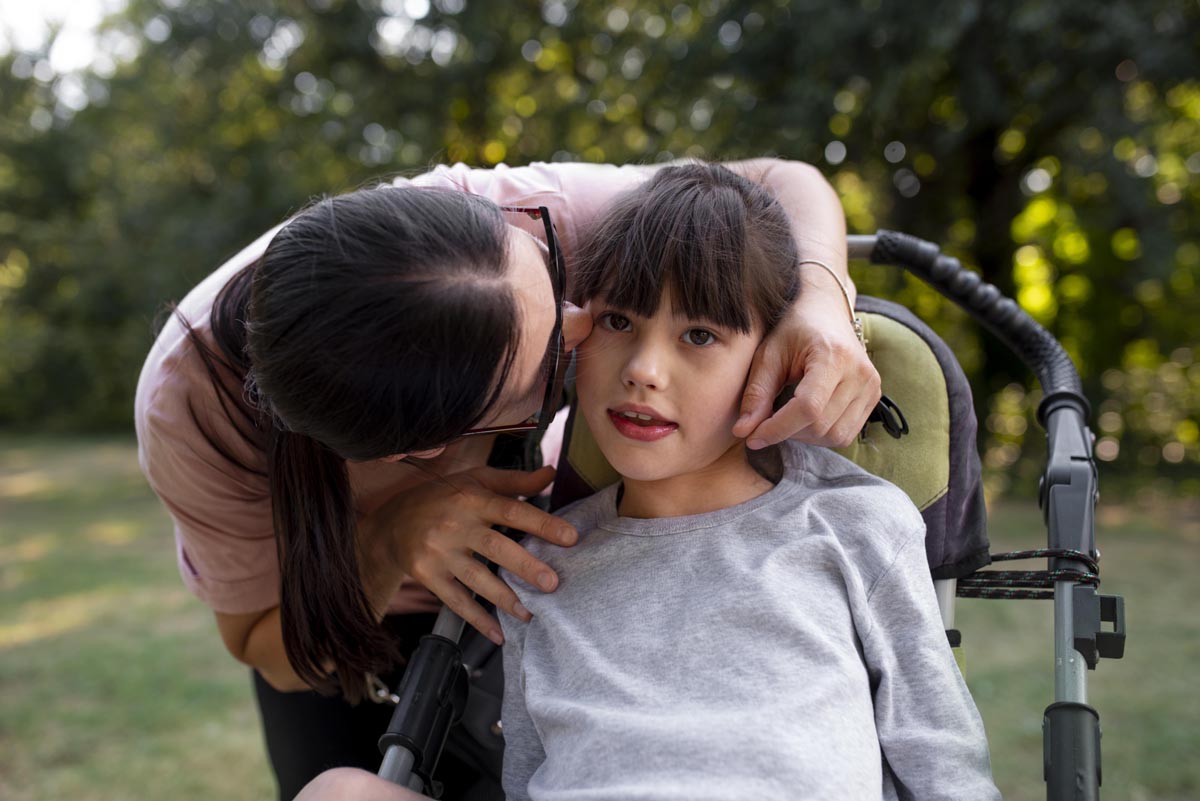
Healthy boundaries appear like recognizing the routine, taking dish breaks, and refraining from doing overdue work from home. They also look like clear communication with households and individuals supported about what you can do and what requires an additional role. A DSP is not a therapist, though you may utilize therapeutic strategies. A DSP is not a nurse, though you might accomplish nursing jobs under delegation. Quality stops function drift and resentment.
The peaceful mathematics of independence
Independence is constructed in small increments that collect. 10 seconds of wait time so an individual can respond to. One added hint before you step in. A visual timetable that eliminates 4 spoken triggers. A container at the door for secrets, so leaving your house does not set off a scavenger search and a crisis. A grocery list organized by aisle, so a trip that when took 90 minutes now takes 30 and finishes with power for a social visit. Measure those gains. Call them. They add up.
I measured progression for a guy that wanted to quit relying upon adventures and begin making use of public transit. Week 1, he required full shadowing on the path. Week 3, he checked the schedule separately yet missed the stop if the bus was crowded. Week 5, he drew the cord on time 7 trips in a row, then missed it when the bus took a detour. By Week 7, he browsed a detour with one phone call for reassurance. He framed that bus card on his wall.
How to examine a solution provider
Families often ask exactly how to inform if an agency or program provides quality Disability Support Services. Overlook the glossy pamphlets and enjoy the work.
- Observe staff speaking with the person initially, not just to the household or situation manager. Scan for aesthetic assistances, adaptive devices, and evidence that strategies are embellished, not templated. Ask just how personnel are trained beyond the minimum. Look for tailing, training, and on-the-floor feedback. Review occurrence coverage and follow-up. Quality teams can discuss just how they pick up from events. Ask about personnel retention and organizing methods. Consistency is a functional marker of respect and stability.
If your intestine informs you that the person is an afterthought, maintain looking. Great services feel like a collaboration anchored in the individual's goals.
What development appears like when it is real
Progress is not a straight line, and it seldom fits a month's payment cycle. It looks like a female who when prevented dining establishments now choosing a silent diner at 2 p.m., bringing a book and ordering her preferred soup. It looks like a teenager that required hands-on support to clean teeth now doing it with a track timer and a sticker graph, then relocating past the graph due to the fact that the routine is secured. It appears like a home that made use of to be loud and chaotic settling into a regular where songs cues changes and the team keep their voices low.
Sometimes progress is holding steady with a loss or a wellness adjustment. Throughout the pandemic, lots of people lost community regimens that secured their days. The teams that treated upkeep as a success, as opposed to a failing to improve, preserved gains. That humility matters.
The values of restraint and the commitment to alternatives
Most areas allow physical holds just under stringent conditions, with training, paperwork, and testimonial. Good groups treat restraint as a last option, not an approach. The real job is building environments, regimens, and skill sets that make restriction unnecessary. That implies identifying triggers, teaching coping skills, and revamping assumptions that are not reasonable.
I worked with a person who ended up being hostile during fire drills. Staff at first attempted to "press with" to fulfill the drill routine. We slowed down. The fire alarm noise was the issue. We requested consent to silence alarm systems throughout technique while presenting a steady desensitization plan with recordings at reduced volume, noise-canceling earphones, and aesthetic countdowns. Over months, the person tolerated greater quantities and faster departures. Compliance with security rules was not the aim. Safety was, and the approach finally matched that aim.
Advocacy belongs to the job
DSPs often being in the little yet crucial advocacy minutes. They ask a bus driver to deploy the ramp without sighing. They flag to a doctor that a person communicates pain in different ways and that pain scales need adjustment. They push back when an area program "invites every person" yet uses no sensory breaks or quiet areas. Gradually, these nudges alter the ecosystem. That is not extra credit scores. It is developed right into the duty when you take equity seriously.
Why language matters
Words mount facts. "Challenging actions" can squash a life right into an issue to be fixed. Try "distress behavior" and ask what is distressing. "Nonverbal" can indicate silence. "Nonspeaking" makes room for various other types of language. "Housing positioning" can seem like you are relocating furniture. "Home" corrects that. Language alone will certainly not take care of services, but sloppy language usually signifies careless idea. Accuracy reveals respect.
What to expect if you are considering this work
If you are thinking of becoming a Direct Support Professional, expect your knowing contour to be high and your days to be mixed. You will certainly end up being experienced at checking out the area. You will certainly gather small victories that are invisible to outsiders yet really feel enormous. You will certainly find out the names of medicines and bowel routines and bus paths, and you will learn which pizza area treats your individuals well. You will certainly likewise deal with fatigue, and you will require to ask for aid and take your breaks. Great groups will insist on both.
Here is a simple, truthful course to start solid:
- Seek a firm that pairs you with an advisor for at the very least your initial two weeks. Treat your initial month as data event: observe without judgment, create plainly, and ask why a regular exists before you transform it. Learn one adaptive strategy deeply weekly, whether it is hand-under-hand support, visual schedules, or AAC modeling. Build a personal de-escalation manuscript so you can speak comfortably when a circumstance escalates. Keep your limits. Bring your care, not your entire life.
The heart of it
At its ideal, disability support is not regarding what an individual can refrain. It is about the conditions that let them do what matters to them. The work carries weight. It likewise has happiness that creeps up on you. One mid-day, a lady I supported, that had actually invested years classified as "immune," emailed me an image of the initial pie she baked begin to complete. Crust a bit lopsided, filling up glossy and honored. The subject line read: "Me, doing it." That is the fact of DSP work. You aid establish the phase. They do the life.
The myths discolor when you stand close. What continues to be is a career with deepness, obligation, and a document of altering days right. If you want a task where your existence boosts the form of a Tuesday, where skill and persistence create genuine choices, and where the people you sustain show you as long as you instruct them, you will find a home here. The title is Direct Support Professional. The work is human.